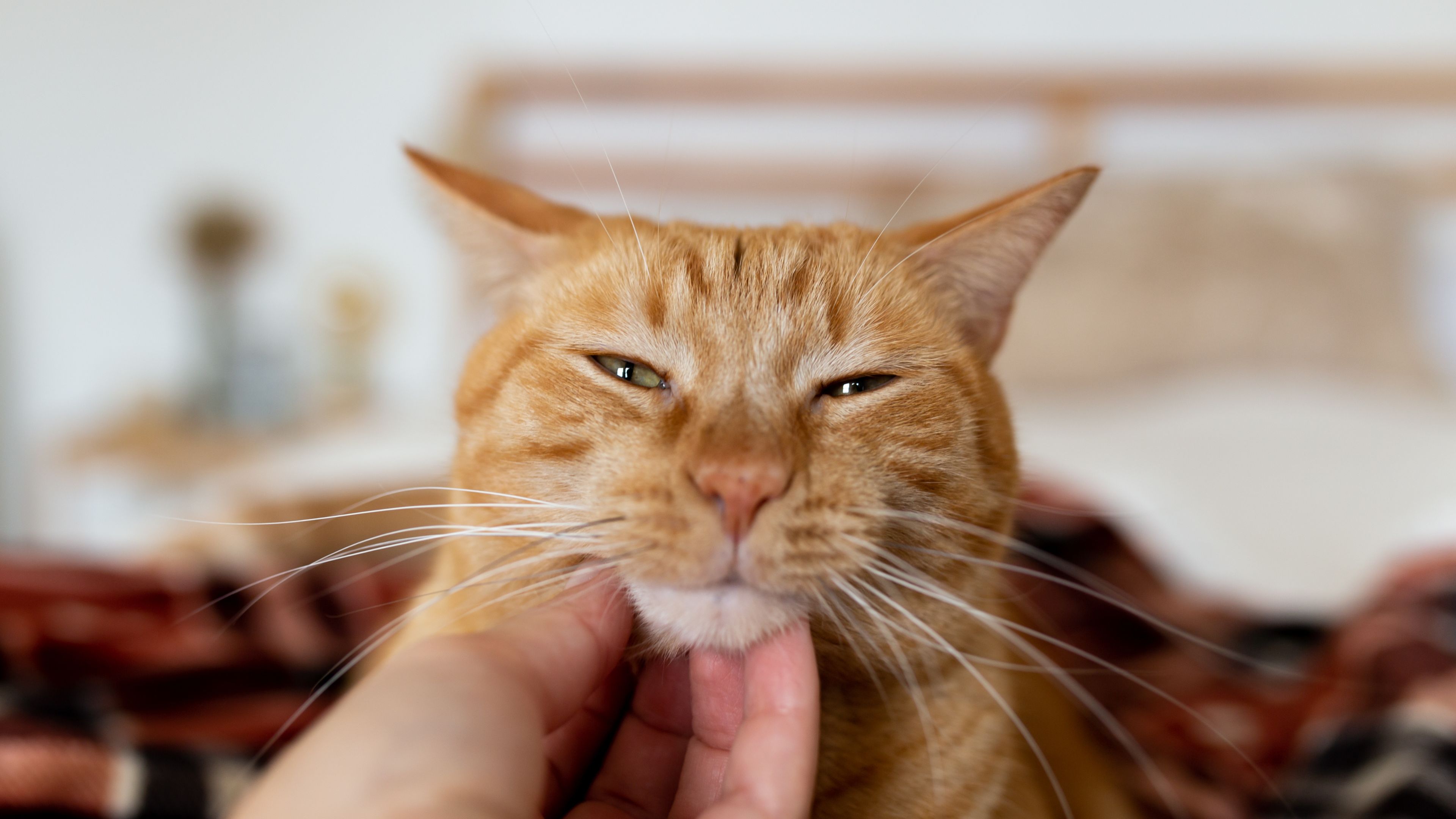
Introduction: Do Cats Understand Kisses? What Do Cats Think When We Kiss Them?
Imagine you have a best friend, but they speak a different language. You might give them a hug to show you care, but they might be confused! That's kind of like kissing a cat. Humans kiss to show love and affection. We pucker up and make a smooching sound, and it feels good to us! But cats don't have "kissing" in their natural language. The core question is: what do cats think when we kiss them?
Cats show affection in other ways. They might rub against your legs, purr, or bring you "presents" (sometimes dead mice – yuck!). So, when you kiss your cat, they're probably trying to figure out what you're doing. What do cats think when we kiss them? They're using their senses – smell, hearing, touch – to understand this strange human behavior. As an expert in cat behavior, I've spent years observing how cats react to human interactions, particularly kisses. I've seen everything from cats who adore kisses to those who run and hide! It's fascinating how different each cat can be, and how varied their responses are when we try to understand what do cats think when we kiss them.
Think of it this way, cats don't have a "kissing" code in their brains. They're not born knowing what a kiss means. It is our job as their humans to help them understand what we're doing, and to see it, in a way that they might understand it, or at least tolerate it. We're essentially trying to bridge a communication gap, always wondering, "What do cats think when we kiss them?"
- Humans: Kiss = Love
- Cats: Kiss = ??? (Something new and strange! We need to figure out what do cats think when we kiss them.)
The "Slow Blink" - A Cat's Kiss: An Alternative to Human Kisses
While cats don't kiss like humans, they do have a special way of showing affection that's kind of like a kiss. It's called the "slow blink." Have you ever noticed your cat looking at you and slowly closing and opening their eyes? That's a cat kiss! This can help us begin to understand what do cats think when we kiss them.
It's a sign of trust and relaxation. When a cat slow blinks at you, they're saying, "I feel safe and comfortable with you." It's a big compliment! You can even slow blink back at your cat to show them you feel the same way. I always tell people to try slow blinking before attempting a kiss. It sets the mood, so to speak. It lets the cat know you're coming in peace! And it might give you a clue as to what do cats think when we kiss them – hopefully, they're thinking positive thoughts!
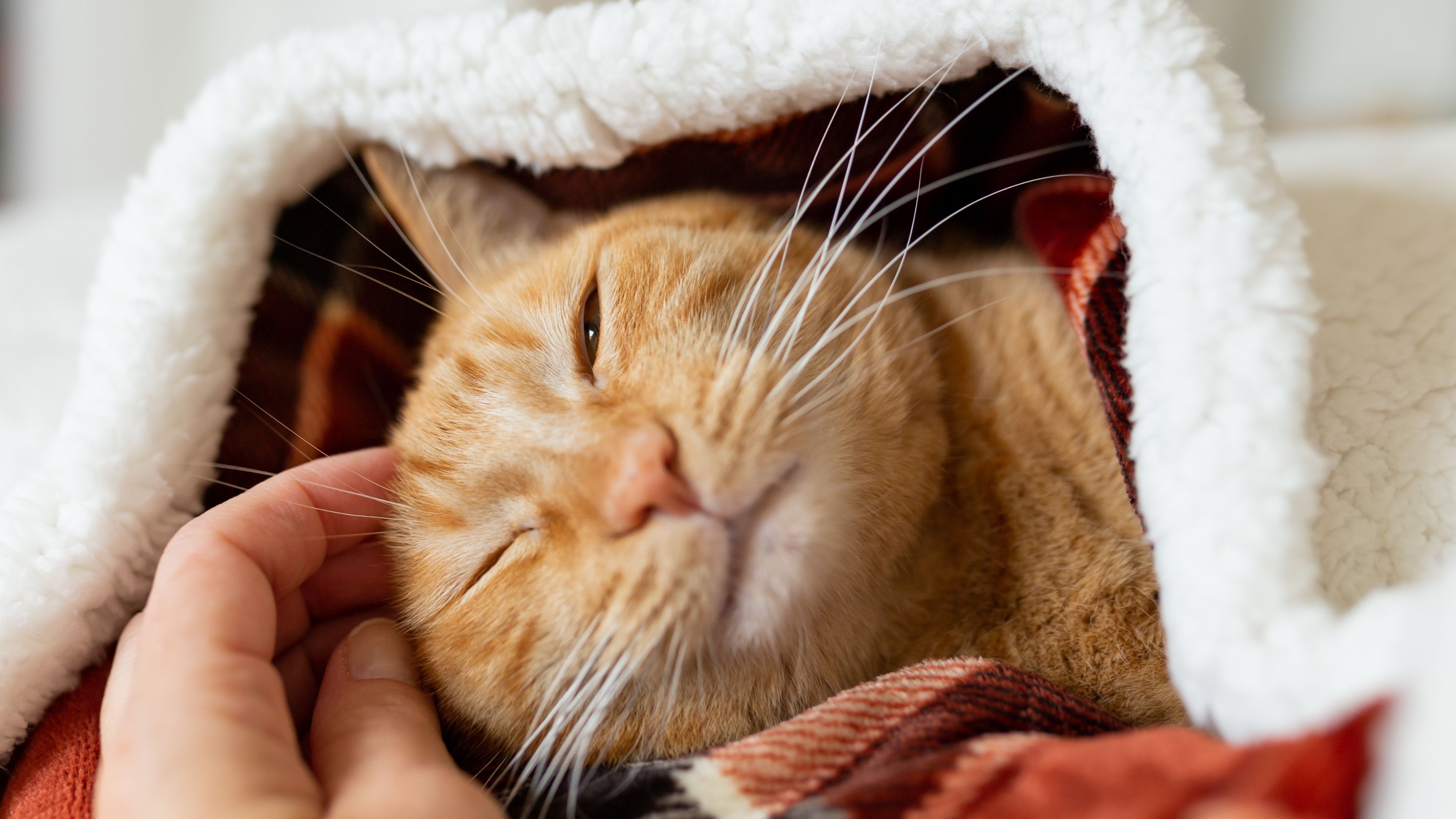
Think of the slow blink as a way for cats to communicate without words. It's a subtle gesture, but it speaks volumes, especially when trying to decipher the mystery of what do cats think when we kiss them.
- Fast blink: Might mean surprise or alertness.
- Stare: Can be a challenge or a sign of aggression.
- Slow blink: "I love and trust you." (A cat's way of showing affection, and a clue to what do cats think when we kiss them.)
Allogrooming: Why Cats Might Lick You Back – A Response to Kissing
Sometimes, when you kiss a cat on the head, they might lick you back. Why do they do that? It's related to a behavior called "allogrooming." Allogrooming is when cats groom each other. It's a social activity that helps them bond and feel close. So their response might give us an insight on: what do cats think when we kiss them.
When a cat licks another cat, they're not just cleaning them. They're also showing affection and strengthening their relationship. So, when your cat licks you after you kiss them, they might think you're trying to groom them! They're returning the favor. It's their way of saying, "I care about you, too." It's one possible answer to the question, "What do cats think when we kiss them?" They might think we're engaging in mutual grooming.
I once had a client whose cat would meticulously lick her entire face after every kiss. It was a bit slobbery, but it was clearly the cat's way of showing love, and her interpretation of the human kiss.
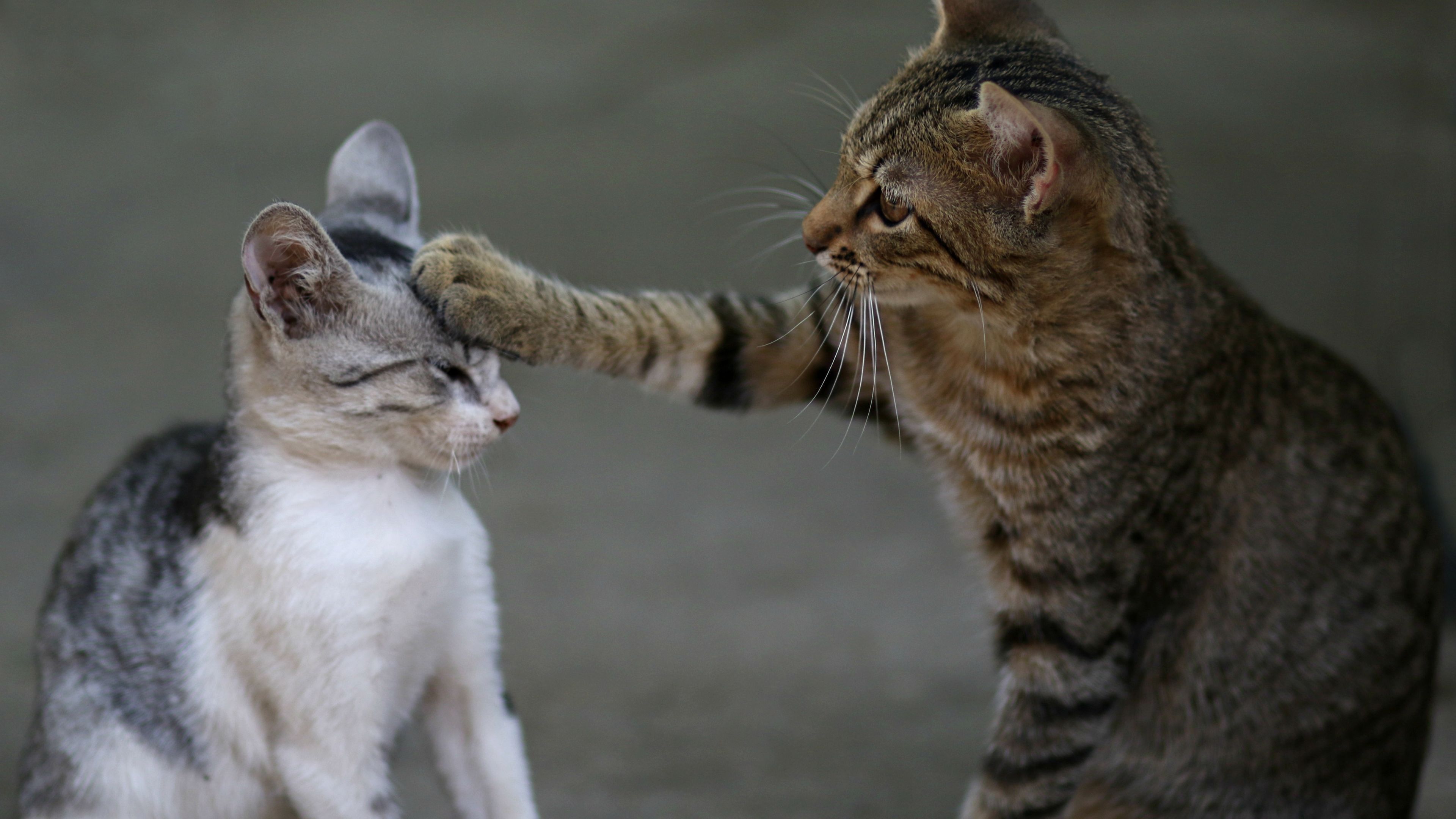
- Kittenhood: Mother cats groom their kittens to keep them clean and safe.
- Adult cats: Grooming helps maintain social bonds.
- Human interaction: Licking you might be an extension of this grooming behavior, and a direct response to the question of what do cats think when we kiss them.
Bunting: Head Rubs and Scent Marking – Another Feline Reaction
Another way cats show affection is by rubbing their heads against things – including you! This is called "bunting." Cats have scent glands on their cheeks, forehead, and chin. When they rub against you, they're leaving their scent on you. This offers another clue towards: What do cats think when we kiss them.
This is a way of marking you as part of their territory, part of their family. It's like they're saying, "You belong to me!" So, when you kiss your cat near their head, they might interpret it as a similar action to bunting. They might even rub their head against you in response. This action helps us try to interpret what do cats think when we kiss them.
I've noticed that cats who are particularly fond of kisses often follow up with a good head rub. It's like they're sealing the deal, making sure their scent is all over you! It's their way of claiming you, and potentially their reaction to your kiss.
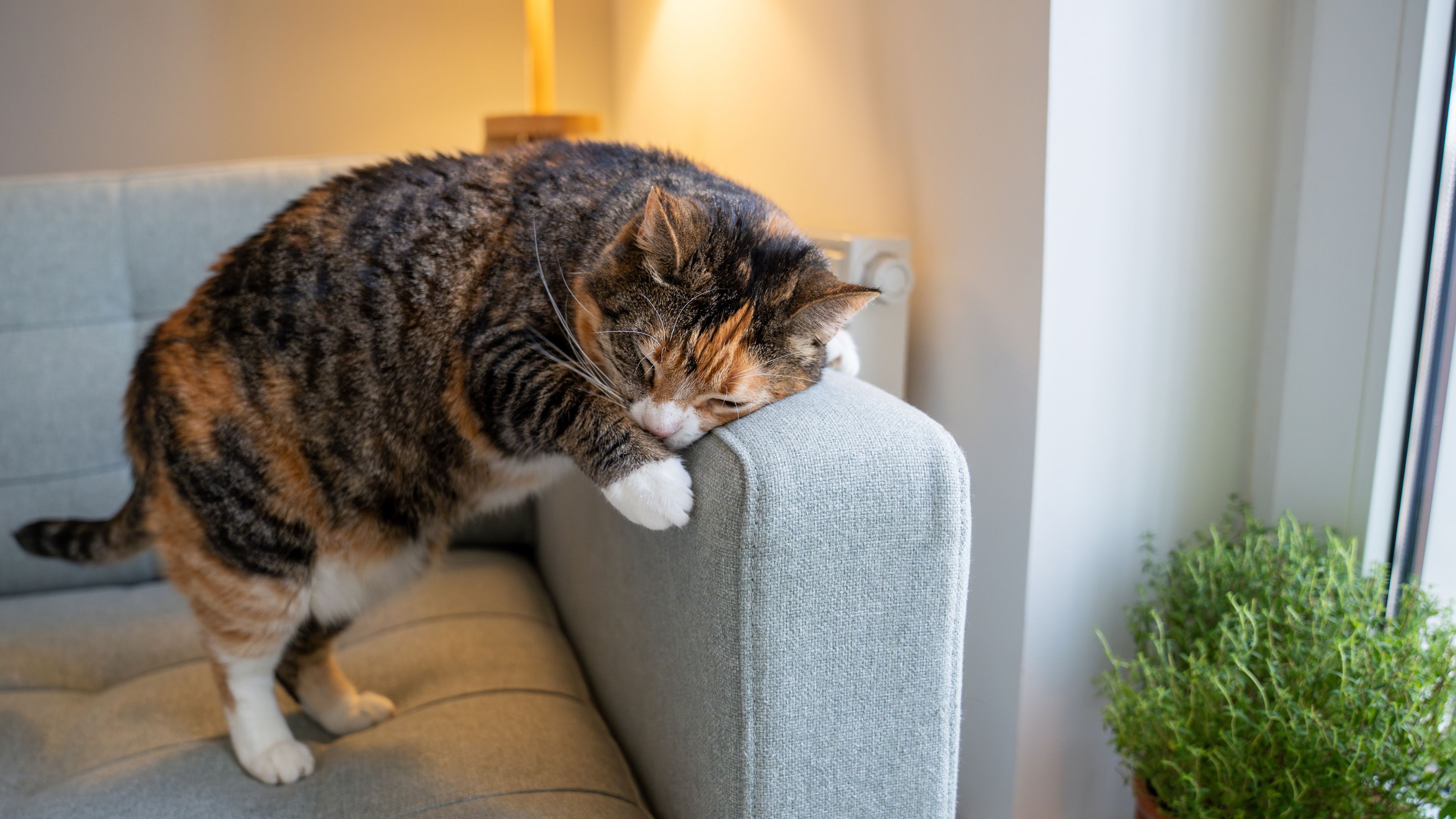
- Scent glands: Release pheromones, which are chemical signals.
- Marking territory: Claiming you as part of their social group.
- Affection: A sign of comfort and familiarity, and a possible positive association with what do cats think when we kiss them.
Sounds of a Kiss: Too Loud for Kitty Ears? – The Auditory Impact
Humans often make a "mwah" or smacking sound when they kiss. It's a fun, affectionate sound for us, but it might be startling for a cat. Cats have incredibly sensitive hearing. They can hear much higher frequencies than humans can. The sound of a kiss greatly influences what do cats think when we kiss them.
That "mwah" sound might seem very loud and sudden to a cat. It could even be scary! Imagine someone suddenly shouting in your ear – you'd jump, right? It's the same for a cat. That's why it's important to be gentle and quiet when kissing your cat. The auditory experience is a big part of what do cats think when we kiss them.
I always advise people to avoid making loud kissing noises. A soft, gentle touch is much less likely to frighten your feline friend. Think of it as whispering sweet nothings instead of shouting them. If the sound is startling, that will be the primary association.

- Human hearing range: Roughly 20 Hz to 20,000 Hz.
- Cat hearing range: Roughly 45 Hz to 64,000 Hz (much higher!).
- Sudden noises: Can trigger a cat's startle reflex, and negatively impact what do cats think when we kiss them.
Your Breath: A Surprise Sniff for Your Cat – The Olfactory Component
When you kiss your cat, you're also breathing on them. Your breath carries all sorts of smells – your toothpaste, your lunch, maybe even your coffee! Cats have a very strong sense of smell, much more powerful than ours. The smell of your breath is another key factor in what do cats think when we kiss them.
They use their sense of smell to identify things and gather information. So, when you breathe on your cat, they're getting a big whiff of your personal scent. If they're familiar with your smell, it might be comforting. But if it's a strong or unfamiliar smell, it could be confusing or even unpleasant. The scent is a powerful communicator, impacting their perception of the kiss.
I once had a cat who would wrinkle his nose and back away whenever I'd had garlic! It was clearly too much for his sensitive nose, and definitely colored his opinion of being kissed at that moment. It's a good reminder to be mindful of what you've eaten before getting up close and personal with your kitty, if you want to avoid a negative reaction.
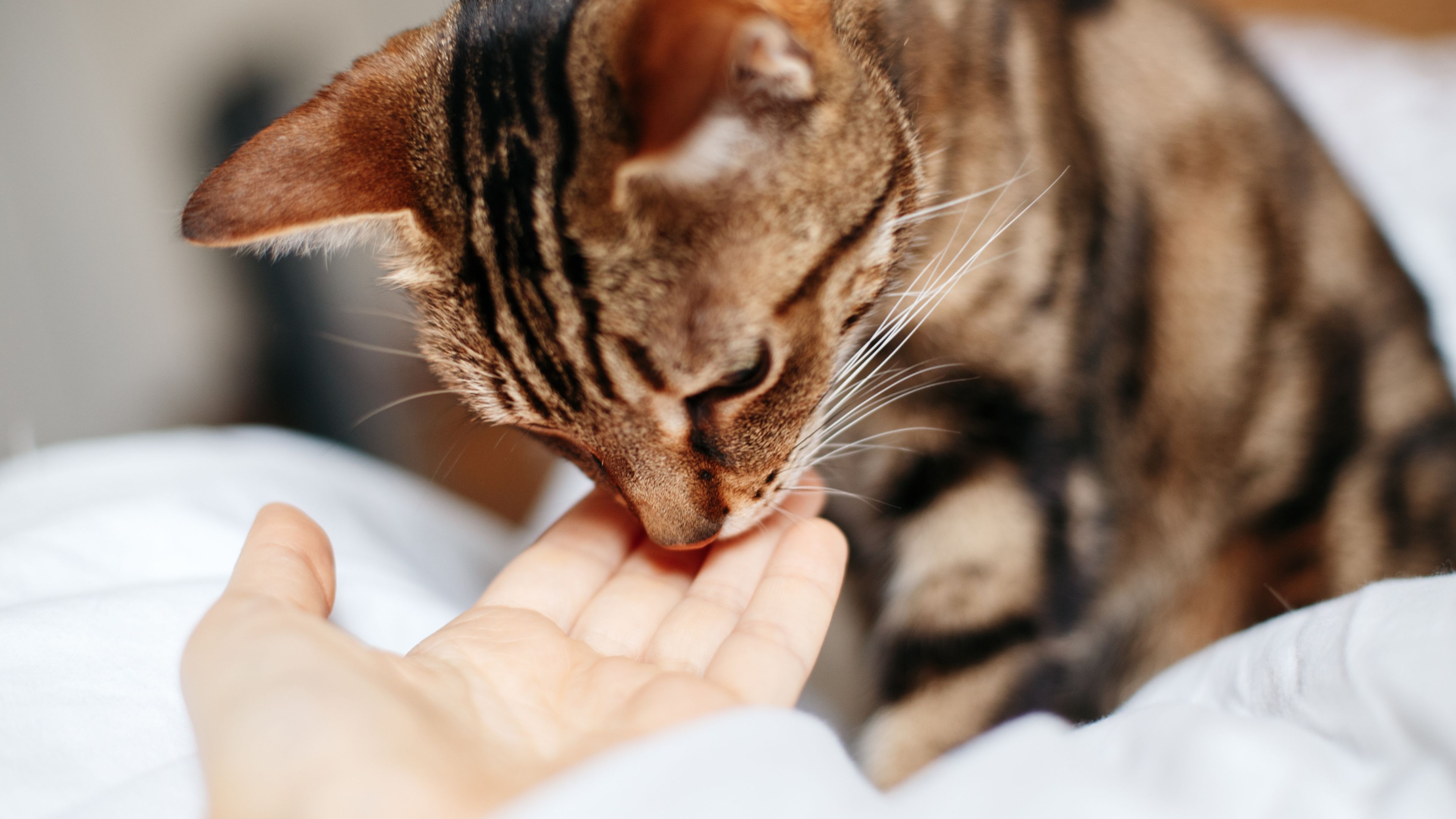
- Jacobson's organ: A special scent organ in the roof of a cat's mouth.
- Scent identification: Cats use smell to recognize individuals and objects.
- Strong smells: Can be overwhelming or even aversive, and will certainly influence what do cats think when we kiss them.
Spit Swap: Why Cats Groom After Kisses – The Tactile Sensation
Sometimes, a kiss can leave a little bit of saliva on your cat's fur. While humans don't mind a little bit of moisture, cats are very particular about their cleanliness. They spend a lot of time grooming themselves to keep their fur clean and tidy. The feeling of moisture is yet another element in what do cats think when we kiss them.
If you leave a wet spot on their fur with a kiss, they'll probably start grooming that area immediately. It's not that they're trying to "wash off" your kiss. It's just their instinct to keep themselves clean. They don't like the feeling of anything sticky or wet on their fur. This grooming behavior is a common response to being kissed.
I've seen countless cats meticulously groom themselves after a kiss. It's a perfectly normal reaction. Think of it as their way of resetting their fur to its perfect, fluffy state. It's not necessarily a rejection of the kiss, but a priority for cleanliness.
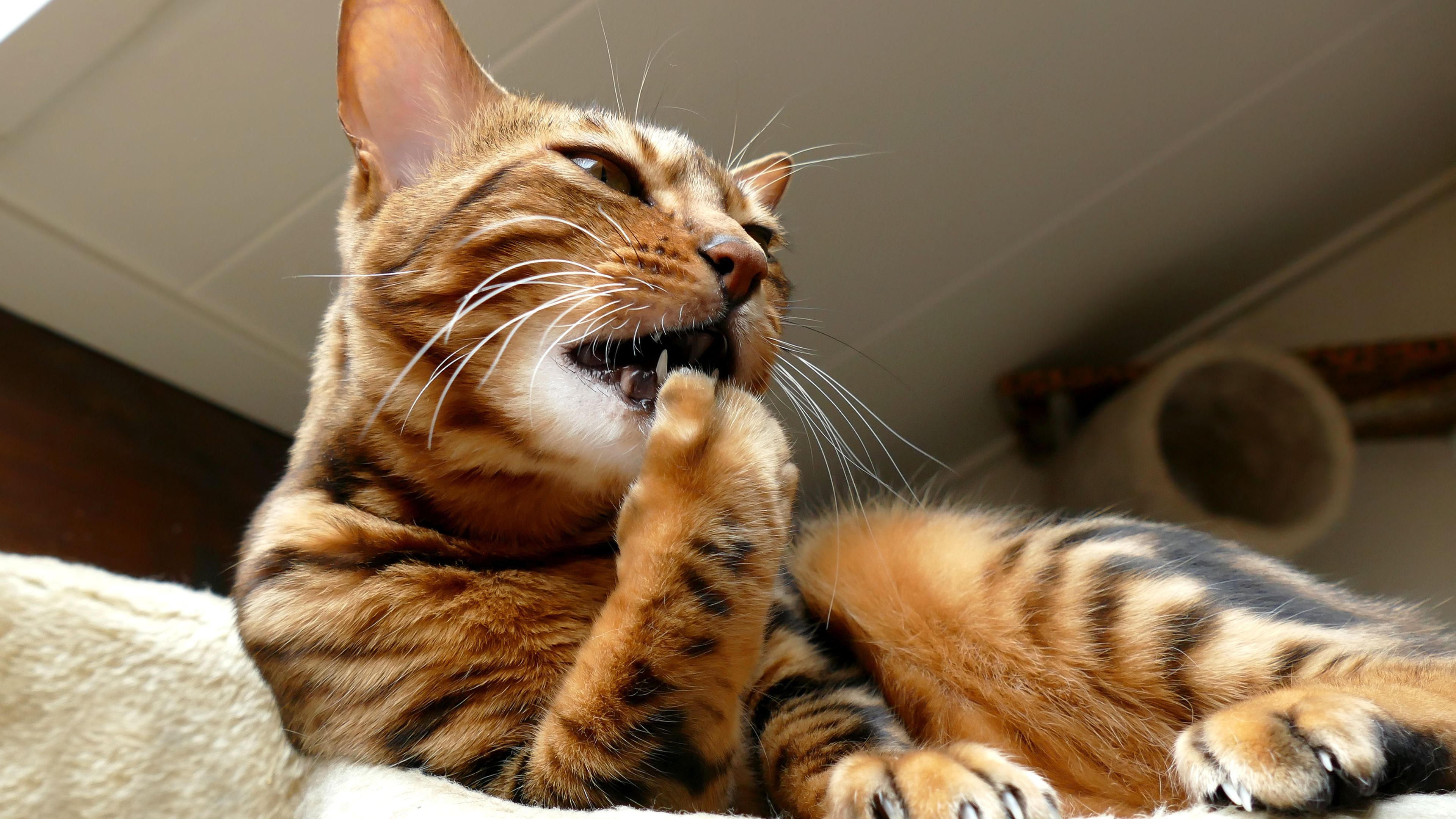
- Grooming: A natural feline behavior for hygiene and comfort.
- Moisture: Can feel unpleasant on a cat's fur.
- Self-cleaning: Cats are meticulous about keeping themselves clean, and this is part of their reaction to being kissed.
Do All Cats Hate Kisses? Individual Differences: Understanding Varied Reactions
Just like people, cats have different personalities. Some cats are cuddly and affectionate, while others are more independent and aloof. This means that not all cats react to kisses in the same way. What do cats think when we kiss them? It varies greatly from cat to cat.
Some cats might enjoy kisses, especially if they've been used to them since they were kittens. They might associate kisses with positive attention and affection. Other cats, especially those who weren't exposed to kisses early on, might find them strange or even unpleasant. Their individual experiences shape their perception.
It's also important to remember that a cat's past experiences can influence their behavior. A cat who has had a negative experience with humans might be more wary of close contact, including kisses. Understanding their history is crucial to understanding their reaction to kisses.
I've worked with cats who purr and rub against their owners' faces during kisses, and I've worked with cats who run and hide at the mere sight of puckered lips. It's all about understanding the individual cat, and recognizing that there's no single answer to what do cats think when we kiss them.
- Personality: Some cats are naturally more affectionate than others.
- Early socialization: Kittens exposed to gentle handling are more likely to tolerate kisses.
- Past experiences: Negative experiences can make cats wary of close contact. These all shape what do cats think when we kiss them.
Breed Differences: Are Some Cats More Kissable? – Breed Predispositions
While every cat is an individual, some breeds are known for being more affectionate than others. For example, Siamese and Ragdoll cats are often described as being very loving and people-oriented. They might be more likely to tolerate or even enjoy kisses. These breeds might have a more positive association with kisses.
On the other hand, some breeds, like Persians and Maine Coons, while affectionate, can be a bit more independent. They might not be as enthusiastic about kisses. However, it's important to remember that these are just generalizations. There are always exceptions! Breed can provide some clues, but it's not the whole story.
I've worked with plenty of cuddly Maine Coons and aloof Siamese cats. It really does come down to the individual cat's personality, and how they interpret human actions.
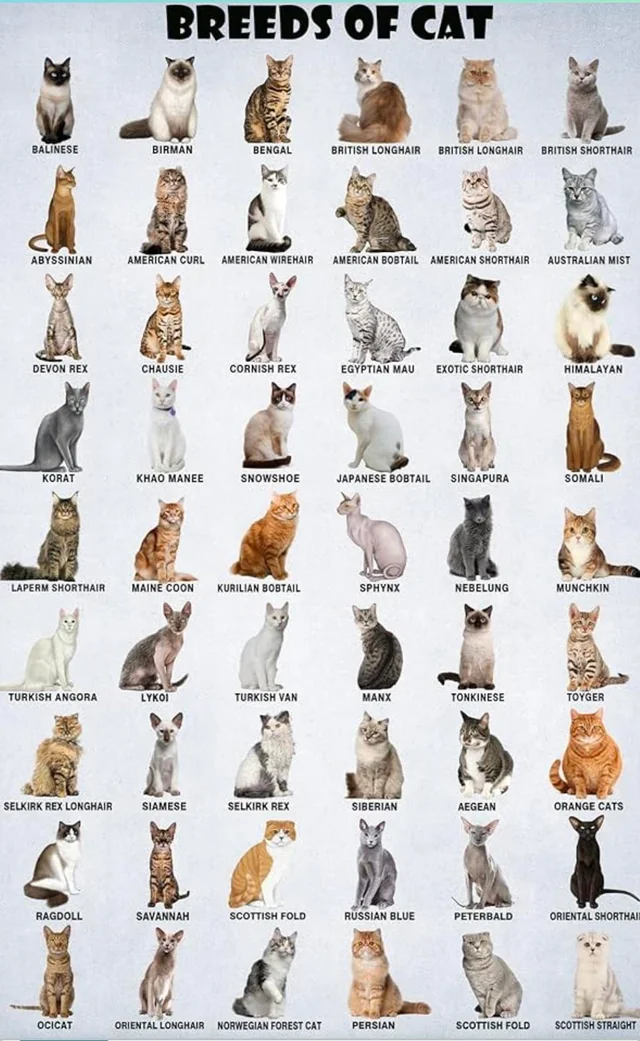
| Breed | General Temperament | Kiss Tolerance (General) |
|---|---|---|
| Siamese | Very affectionate | High |
| Ragdoll | Very affectionate | High |
| Persian | Sweet, but dignified | Medium |
| Maine Coon | Gentle giant | Medium |
| Abyssinian | Active, curious | Low |
Reading Your Cat's Body Language: Deciphering Feline Cues
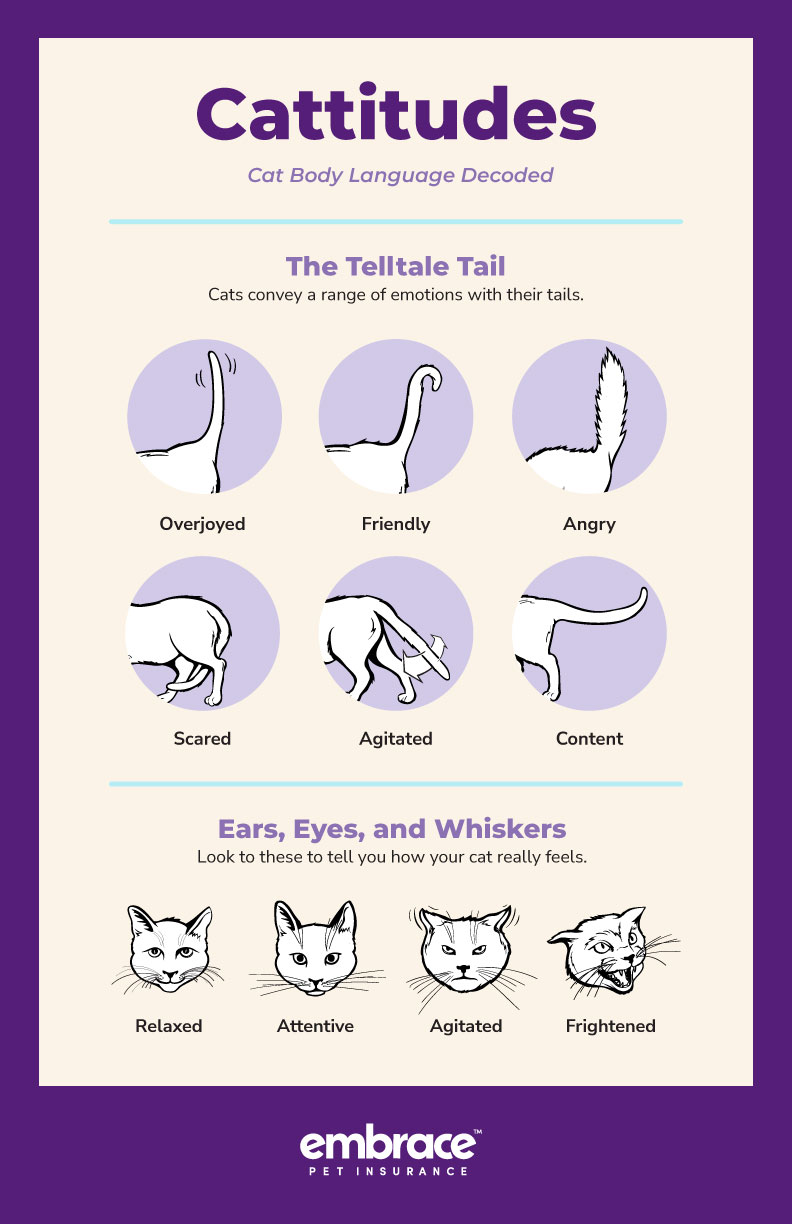
The most important thing is to pay attention to your cat's body language. This is how they communicate their feelings. If you try to kiss your cat and they show signs of discomfort, it's best to stop. Body language is the best way to truly understand what do cats think when we kiss them.
Here are some signs that your cat is not enjoying the kiss:
- Flattened ears: This is a sign of fear or annoyance.
- Tail swishing or thumping: Indicates irritation.
- Hissing or growling: A clear warning to back off.
- Trying to move away: The cat is trying to escape the situation.
- Dilated pupils: Can indicate fear or stress.
Here are some signs that your cat might be enjoying the kiss:
- Purring: A sign of contentment.
- Slow blinking: A "cat kiss" – a sign of trust.
- Rubbing against you: Marking you with their scent.
- Relaxed body posture: Not tense or stiff.
- Kneading: A sign of comfort and happiness.
All of these actions can help to determine: what do cats think when we kiss them.
Expert Tips: How to Kiss Your Cat the Right Way – Best Practices
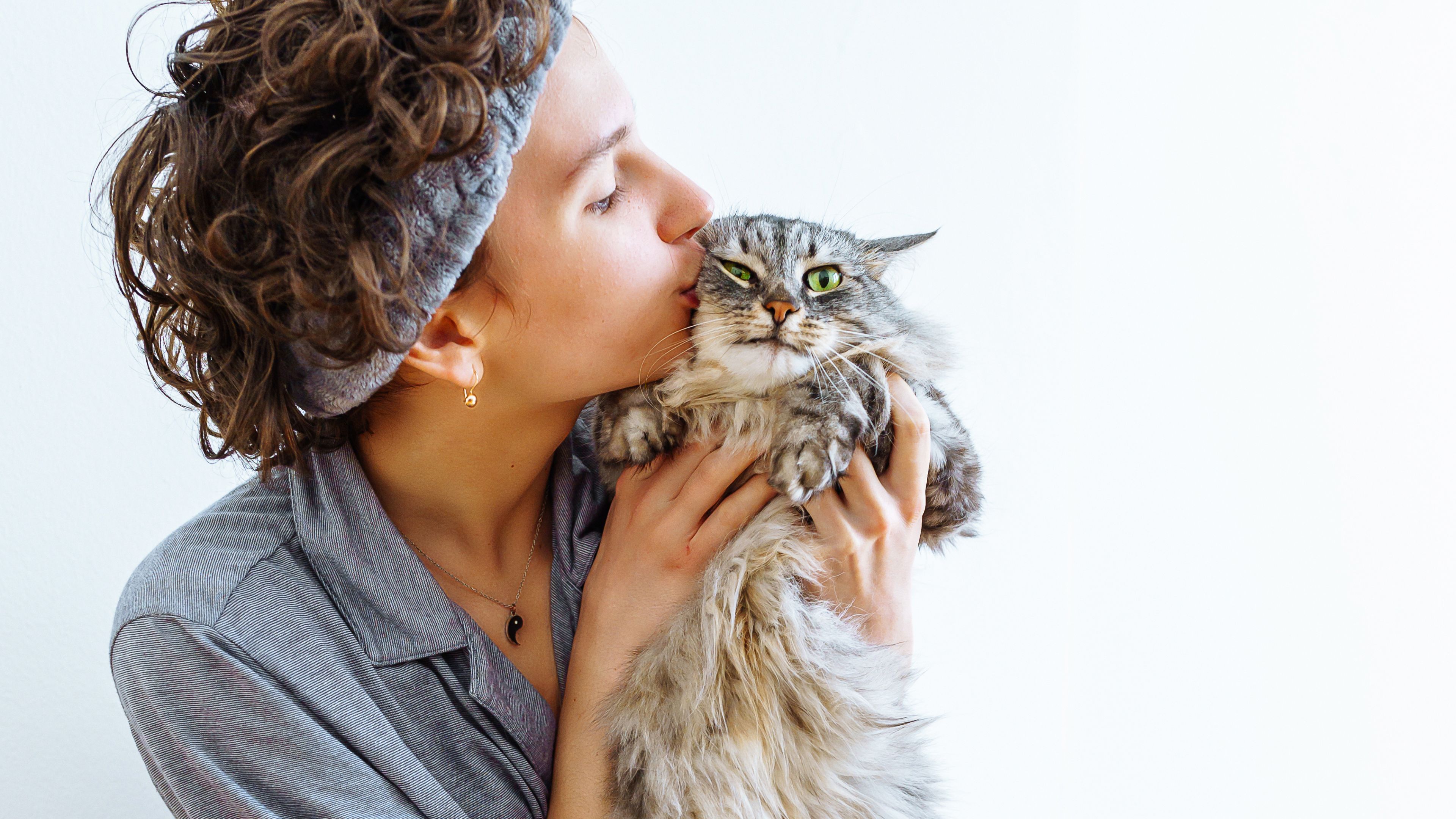
As a cat behavior expert, I've learned a few tricks for making kissy-time more enjoyable for both you and your cat. Here are my top tips for approaching your cat and increasing the chances of a positive interaction:
- Start slowly: Don't rush in for a big smooch. Begin by gently petting your cat and observing their body language.
- Target the right spot: Most cats prefer to be kissed on the top of their head or forehead, rather than directly on the mouth.
- Keep it short and sweet: A quick peck is better than a long, lingering kiss.
- Avoid loud noises: No smacking sounds!
- Respect their boundaries: If your cat shows any signs of discomfort, stop immediately.
- Offer alternatives: If your cat doesn't like kisses, try other forms of affection, like chin scratches or gentle brushing.
- Slow blink first: Establish a connection with a "cat kiss" before going in for a human kiss.
- Observe and Respond: make sure to consistently observe your cat and how they're reponding. This is key.
- Consider Past Experiences: if the cat has had negative interactions before, it might be time to try an alternative route for love
- Ask yourself, "what do cats think when we kiss them" throughout this process.
Frequently Asked Questions
Q: My cat runs away when I try to kiss him. Does he hate me?
A: Not at all! He might just not understand what you're doing (what do cats think when we kiss them – confusion!), or he might not enjoy close facial contact. Try other ways of showing affection, like gentle petting or playing with him.
Q: My cat licks me after I kiss her. Is she trying to clean me?
A: She might be! It could also be a sign of affection, similar to how cats groom each other. It's her way of responding to your kiss, and potentially her interpretation of your action.
Q: Is it safe to kiss my cat?
A: Generally, yes, it's safe. But be aware that cats can carry certain bacteria in their mouths, so it's best to avoid kissing them directly on the mouth.
Q: Can I teach my cat to like kisses?
A: Possibly! Start slowly and make it a positive experience. Pair kisses with things your cat enjoys, like treats or playtime. But always respect your cat's boundaries. If they consistently show signs of dislike, it's best to accept that they're just not a kissy cat. You can't force a cat to change their mind about what do cats think when we kiss them.
Q: Why does my Cat Groom after I kiss them?
A: Cats will groom themselves to get the moisture off of them. This is a natural feline instinct.
Q: Which type of Cat is more likely to be okay with kisses?
A: Cats that have had positive experiences with kisses since being kittens, and are very comfortable with you, are more likely to tolerate or even enjoy kisses.
Q: Why does my cat sometimes put its head to mine
A: This is a sign of affection, it is a way of marking you. It's a feline behavior that shows trust and comfort.