Table of Contents
Hi there! I'm Dr. Tom (well, not really, but I am a veterinarian who's spent my life around cats!). You probably talk to your cat all the time, right? But have you ever wondered what do cats hear when we talk? It's not quite the same as talking to another person. Let's explore!
Do Cats Understand Our Words?
- Words are just sounds: To your cat, "I love you, Fluffy!" is just a series of noises.
- No grammar: They don't get the difference between "The cat ate the food" and "The food ate the cat." (Sounds silly, I know!)
- Focus on the important stuff: They listen for things that matter to them.
My own cat, Patches, is a perfect example. I can say, "Patches, you are the most extraordinarily magnificent feline specimen I've ever encountered!" She just blinks. But if I say, "Patches... treat?" Her ears perk right up! That one word has meaning because it's linked to something she loves.
The Importance of Tone of Voice
Even though cats don't process human language in the same way we do, this doesn't mean they can't figure out what do cats hear when we talk. They are amazing at reading our tone of voice. Think about it:
- Happy voice: High-pitched, sing-songy. Your cat probably associates this with good things (pets, playtime).
- Angry voice: Low, growly. Your cat knows this means trouble!
- Soothing voice: Soft, gentle. This can calm a scared or anxious cat.
I've seen this firsthand in my clinic. A scared cat will often relax a little when I speak in a low, calm voice, even if I'm doing something they don't like (like giving them a shot!). It's not the words that matter; it's the feeling behind them.
Words Cats Learn to Recognize
While cats don't understand language, they can learn to recognize specific words or sounds that are important to their daily lives. These are usually words associated with:
- Their Name: This is usually the first word a cat learns. They associate it with attention, food, or play.
- Food: "Dinner," "Treat," "Snack," the sound of the food bag opening.
- Positive Interactions: "Good kitty," "Come here," "Playtime."
- Negative Interactions (sometimes): "No," "Down," the sound of the spray bottle (though I recommend positive reinforcement over punishment!).
It's like teaching a dog a trick. You say "sit," and the dog learns to associate that sound with the action of sitting. Cats do the same, but with fewer words and more focus on things that directly benefit them.
How a Cat's Hearing Works
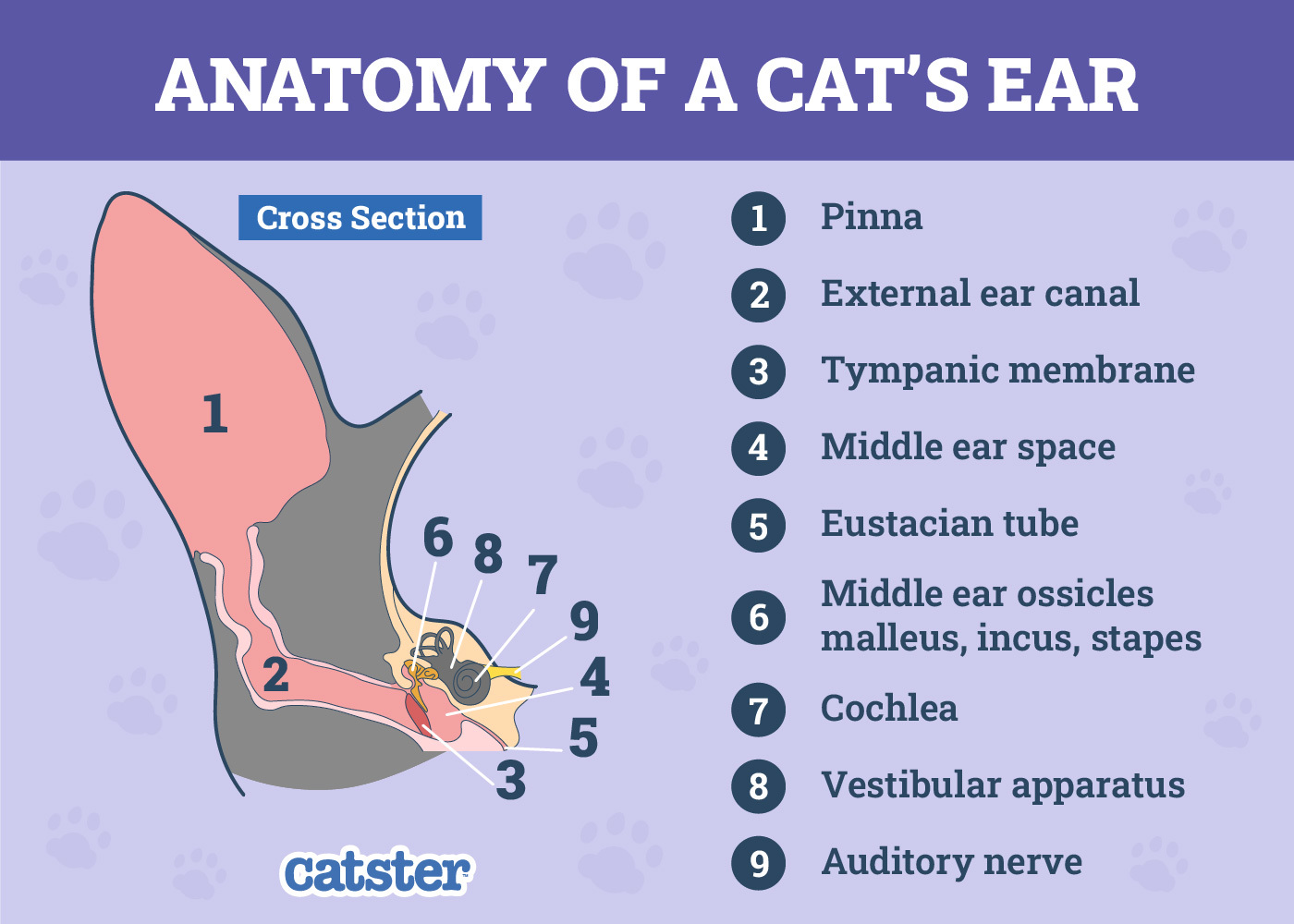
A cat's hearing is way better than ours. It's one of their superpowers! Here's a simple breakdown:
| Feature | Human Hearing | Cat Hearing | Explanation |
| Frequency Range | 20 Hz - 20,000 Hz | 48 Hz - 85,000 Hz | Cats can hear much higher-pitched sounds than we can. |
| Ear Movement | Limited | 180-degree rotation | Cats can swivel their ears to pinpoint the source of a sound. |
| Sensitivity | Good | Excellent | Cats can hear very faint sounds that we would miss. |
| Evolutionary Role | Communication/Safety | Hunting/Survival | They're designed to detect tiny prey movements. |
Think of it like this: You can hear a regular piano, but your cat can hear a piano that has extra keys at the high end, playing notes you can't even imagine! This is why they can hear the squeak of a mouse from far away, or the rustle of leaves that we wouldn't notice.

Why Do Cats Ignore Us Sometimes?
We've all been there. You're talking to your cat, and they just...stare blankly. Or worse, they walk away! It's not necessarily that they're being rude (though cats can be masters of the cold shoulder!). Here are a few reasons:
- They're not interested: If what you're saying doesn't involve food, play, or something else they want, they might just tune you out.
- They're focused on something else: A bird outside the window, a strange noise, a fascinating dust bunny... cats are easily distracted.
- They're feeling independent: Cats are independent creatures. Sometimes they just want to do their own thing.
- They don't recognize the sound: If you're using a new word or a different tone of voice, they might not understand what you want.
- They hear the sound, but they don't associate the sound with any previous outcome, so they ignore.
My Patches is a pro at ignoring me when I'm trying to get her to come inside. She knows the word "come," but if she's enjoying the sunshine, she'll pretend she didn't hear a thing!
How Cats Communicate with Each Other
Cats don't rely on spoken language like we do. They have their own ways of communicating:
- Body Language: The position of their ears, tail, and whiskers tells other cats (and us!) a lot about how they're feeling. A puffed-up tail means "I'm scared!" A slow blink means "I trust you."
- Scent Marking: Cats rub their faces and bodies on things (and people!) to leave their scent. This is like leaving little messages for other cats: "This is my territory!"
- Vocalizations: Meows, purrs, hisses, growls – each sound has a different meaning. Interestingly, cats meow much more to humans than they do to other cats. They've learned that it's a good way to get our attention!
- Touch: Grooming, nuzzling, and even playful swats are all forms of feline communication.
How Cats Communicate with Us
Since cats know we don't speak "cat," they've adapted to communicate with us in ways we can understand (or at least, ways they think we can understand!).
- Meows: As I mentioned, cats have learned that meowing is a good way to get our attention. Different meows can mean different things: "I'm hungry!" "I want to play!" "Let me out!"
- Purrs: Usually a sign of contentment, but sometimes cats purr when they're stressed or in pain.
- Body Language: They use their body language to tell us how they're feeling, just like they do with other cats.
- "Gifts": Sometimes cats will bring us "presents" – a dead mouse, a toy, a leaf. This is a sign of affection (even if it's a little gross!).
- Head bumps and Nuzzles: They rub heads with us to show friendliness
The Mystery of Purring
The purr is one of the most fascinating sounds a cat makes. We still don't fully understand how they do it, but we know a lot about why.
- Happiness: Yes, cats often purr when they're happy and content, like when you're petting them.
- Self-Soothing: "> Cats also purr when they're stressed, injured, or in pain. The vibrations may help them heal and calm themselves.
- Communication: Kittens purr to communicate with their mothers, and adult cats sometimes purr to communicate with each other (and with us).
- A Request: Sometimes a purr can be a subtle way of saying, "Please give me attention (or food)!"
Talking to Your Cat: Best Practices
Even though your cat doesn't understand your words, talking to them is still important! Here's how to do it effectively:
- A gentle, positive tone of voice.
- Repeat important words often (their name, "treat," "dinner").
- Pay attention to their body language. Are they relaxed or tense?
- Be consistent. Use the same words and tones for the same things.
- Don't shout. It will just scare them.
- Combine words with actions. For example, say "dinner" while you're putting food in their bowl.
- Show affection Your cat might not understand words, but will react and get used to positive affection.
What Sounds Do Cats Like?
While every cat is different, there are some sounds that many cats seem to enjoy:
- Soft, high-pitched voices: This is often associated with positive interactions.
- Purring sounds: Some cats find the sound of another cat purring comforting.
- Nature sounds: Birdsong, crickets, running water (some cats are fascinated by the sound of a dripping faucet!).
- Classical music: Some studies suggest that cats find classical music relaxing.
- Cat music: There's actually music specifically composed for cats, using frequencies and tempos that appeal to their hearing.
What Sounds Do Cats Dislike?
Just as there are sounds cats like, there are also sounds they don't like:
- Loud noises: Fireworks, thunder, vacuum cleaners, shouting.
- Sudden, unexpected noises: A dropped pan, a car horn.
- High-pitched, screeching sounds: These can be painful to their sensitive ears.
- Hissing sounds: This is a sign of aggression in the cat world.
- Continuous, repetitive noises: A dripping faucet might be interesting at first, but it can become annoying.
Frequently Asked Questions (FAQs)
Q: Can my cat understand when I say "I love you"?
A: Your cat won't understand the words, but they'll understand the feeling if you say it in a loving tone of voice. They'll associate that tone with positive interactions like petting and cuddling.
Q: Why does my cat meow at me when I talk to them?
A: Your cat is probably trying to communicate with you! They might be asking for food, attention, or to be let outside. Pay attention to their body language and the context to figure out what they want.
Q: Can I teach my cat to understand more words?
A: You can teach your cat to associate certain words with specific actions or rewards (like "treat" or "come"). But they won't be able to understand complex sentences or grammar.
Q: My cat seems to ignore me when I call their name. What should I do?
A: Try using a more positive tone of voice, and combine their name with something they like (such as shaking the treat bag). You can also try training them with positive reinforcement, rewarding them when they respond to their name.
Q: Do cats prefer baby talk?
A: Many cats respond well to baby talk because it's often high-pitched and sing-songy, which they associate with positive attention. But every cat is different, so pay attention to your cat's individual preferences.
Q: Do cats like it when we sing to them?
A: Some do, it depends on the cat, your singing skills and your tone.