Table of Contents
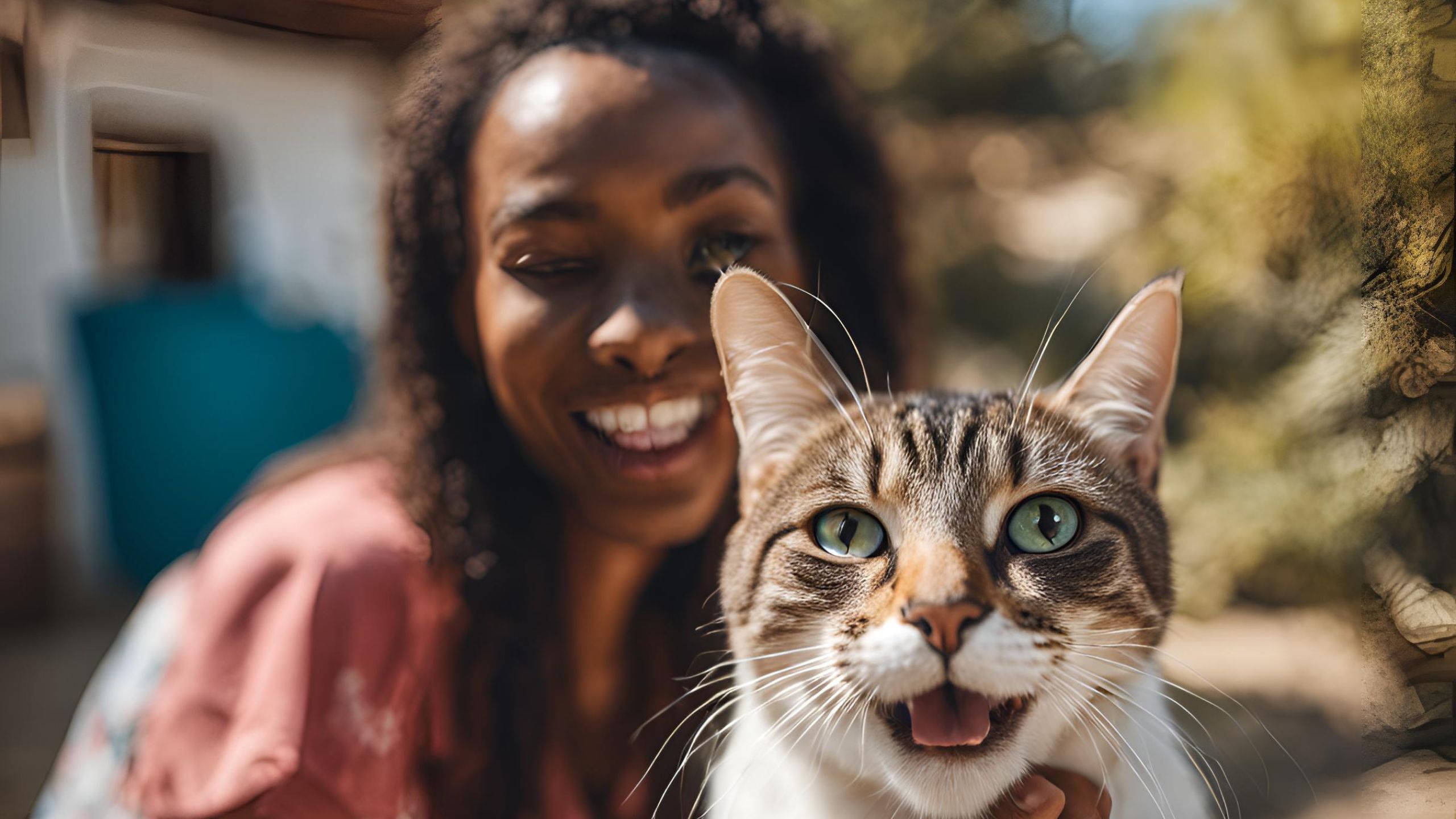
Cats use their amazing senses to remember all sorts of things, including the wonderful people who give them yummy food. I've spent years studying cats, working with them, and even living with quite a few furry friends myself. And let me tell you, they absolutely remember who feeds them!
They're much smarter than many people give them credit for. In this section we'll explore how cats remember.
- Super Smell: A cat's nose is like a detective's magnifying glass, but for smells! They can smell things we can't even imagine. Each person has a unique smell, like a fingerprint made of scents. When you feed your cat, they link your special smell to the happy feeling of a full tummy.
- Super Hearing: Cats can hear sounds that are much too high or too low for us to hear. They learn the sound of your footsteps, your voice, and even the crinkle of the food bag. These sounds become a "dinner bell" in their minds, and they connect those sounds to you.
- Good Memories: Cats are great at remembering things that are important to them, and food is very important! When you feed a cat, you're not just giving them food; you're also making them feel safe and loved. That creates a strong, positive memory.
- More Than Just Faces: While cats can recognize faces, their memory relies more on smell and sound. Think of it like this: if you wore a mask, your cat would still know it was you because of your scent and voice! I once had a cat, Olive, who would always run to the door when he heard my car, even before I opened it. He knew the sound of my car!
How a Cat's Brain Remembers: Like a Little Filing Cabinet!
Think of your cat's brain as a tiny, furry filing cabinet. It stores memories of important things, like who provides their food! When something good happens, like getting fed, the brain makes a special note.
- Short-Term Memory: This is like the notes on top of the desk. Cats use this to remember what just happened, like where they left their favorite toy or if they just ate.
- Long-Term Memory: This is like the notes inside the filing cabinet. These are the important memories, like who feeds them, where the food is kept, and who their favorite people are.
- Associative Memory: This is the superpower of cat memory. It's how
they connect things together. For example:
- Your Smell + Your Voice + Food = Happy Cat!
- Sound of Can Opener + Smell of Food = Dinner Time!
- You + Food + Kind Voice = Safe and Loved

Cats use associative memory all the time. It's how they learn and how they remember the people who are important to them. My own cat, Patches, learned that the sound of the specific drawer I open means treats are coming, differentiating between all the others!
Smell: A Cat's Secret Memory Weapon
We talked about smell a little, but it's so important for cats that it deserves its own section! A cat's sense of smell is about 14 times stronger than ours. That's like being able to smell a single cookie from across a football field!
- Scent Markers: Cats have scent glands on their cheeks, paws, and other parts of their bodies. When they rub against you, they're not just being cuddly; they're also leaving their scent on you. This helps them recognize you as part of their "family."
- Smelling Food: Obviously, cats can smell their food! But they also remember the specific smell of your food, and they associate that smell with you.
- Smelling "You": Even when you're not feeding them, your cat is constantly taking in your unique scent. This helps them build a strong memory of you. It's like having a "smell picture" in their brain.

| Sense | How Cats Use It to Remember You |
|---|---|
| Smell | Your unique scent is like a fingerprint. |
| Hearing | Your voice, footsteps, and the sound of food preparation. |
| Sight | Your face and appearance, but less important than smell and sound. |
| Touch | The feeling of being petted and cared for. |
| Association | Connecting you with positive experiences (food, safety, love). |
Hearing: The Sound of Your Love (and Food!)
Cats have amazing hearing. They can hear sounds that are much higher and much lower than what humans can hear. This helps them hunt, but it also helps them remember people.
- Your Voice: Cats learn to recognize the specific tone and pitch of your voice. That's why it's important to talk to your cat in a gentle, loving way.
- Your Footsteps: Cats can even tell the difference between your footsteps and someone else's! They learn the rhythm and sound of your walk.
- Food Sounds: The sound of the food bag, the can opener, or even the refrigerator opening – these are all music to a cat's ears! They connect these sounds to you and to the happy feeling of getting fed.
- Routine: Cats learn what time you typically come home, and listen out for your car or your steps at that time.
Do Cats Remember People Even After a Long Time?
Cats have surprisingly good long-term memories, especially when it comes to important things like food and safety.
- Years of Memory: Cats can remember people for many years, even if they haven't seen them in a long time. Of course, every cat is different, but their memories are often stronger than we think.
- Strong Bonds: The stronger the bond between a cat and a person, the longer the memory will last. If you were the main person feeding and caring for a cat, they're very unlikely to forget you.
- Re-Learning: Even if a cat seems a little unsure at first when they see you after a long time, they'll likely remember you quickly, especially when they smell you and hear your voice.

A friend of mine went travelling for a year, when they got back their cat was hesitant but within a few hours of hearing her voice and smelling her, he was curled up purring in her lap again.
What if Someone Else Feeds My Cat? Will They Forget Me?
Don't worry! Even if someone else feeds your cat while you're away, your cat won't forget you. You're still their special person.
- Multiple Caregivers: Cats can form bonds with multiple people. They're smart enough to know who their primary caregiver is, but they'll also appreciate anyone who is kind and feeds them.
- Your Unique Bond: The bond you have with your cat is unique. It's based on more than just food; it's about the love, trust, and companionship you share.
- Reinforcing the Bond: When you come back, spend extra time playing with your cat, petting them, and talking to them. This will reinforce your bond and remind them how much you care.
Do Cats Remember Bad Experiences with People?
Unfortunately, yes, cats can also remember negative experiences. This is part of their survival instinct.
- Fear and Avoidance: If a person has been mean to a cat, the cat will likely remember that person and try to avoid them. They might hiss, run away, or hide.
- Long-Term Fear: Sadly, these negative memories can last a long time. It can take a lot of patience and kindness to rebuild trust with a cat who has been mistreated.
- Positive Reinforcement: The best way to help a cat overcome a negative memory is through positive reinforcement. This means rewarding them with treats, praise, and gentle petting when they're near the person they're afraid of (but never forcing them to interact).
Do Different Cat Breeds Remember People Differently?
While all cats have good memories, some people believe certain breeds might be a little more people-oriented than others. This doesn't mean they remember better, but they might show their affection more openly.
- Social Breeds: Breeds like Siamese, Ragdolls, and Maine Coons are often known for being very social and affectionate. They might be more likely to greet you at the door and follow you around the house.
- Independent Breeds: Some breeds, like Persians or Russian Blues, might be a little more independent. This doesn't mean they don't love you; they just might show it in different ways.
- Individual Personalities: The most important thing to remember is that every cat is an individual. Even within the same breed, you'll find cats with very different personalities.
How Can I Help My Cat Remember Me?
Here are some simple things you can do to strengthen your bond with your cat and help them remember you:
- Be the Feeder: If possible, be the main person who feeds your cat. This creates a strong positive association.
- Talk to Your Cat: Use a gentle, loving voice. Cats learn to recognize your voice and associate it with positive experiences.
- Play with Your Cat: Spend time playing with your cat every day. This helps build trust and strengthens your bond.
- Pet Your Cat: Most cats love to be petted. Find out where your cat likes to be petted (usually around the head and chin) and give them lots of gentle strokes.
- Be Consistent: Cats thrive on routine. Try to feed them, play with them, and interact with them at the same time each day.
- Grooming: Regular brushing and general care builds a bond and helps your cat associate you with positive experiences.
Signs Your Cat Remembers and Loves You
Here are some sure signs that your cat remembers you and considers you part of their family:
- Purring:Purring is a sign of contentment and happiness. If your cat purrs when they're near you, it means they feel safe and loved.
- Kneading: Kneading (also called "making biscuits") is a behavior that cats learn as kittens. It's a sign of comfort and affection.
- Head Bunting: When a cat bumps their head against you, they're leaving their scent on you and marking you as part of their territory.
- Following You Around:If your cat follows you from room to room, it means they enjoy your company and want to be near you.
- Bringing You "Gifts": Cats sometimes bring their owners "gifts," like toys or even dead animals (yikes!). While it might not be the most pleasant gift, it's a sign of affection and trust.
- Slow Blinking: A slow blink from a cat is like a kitty kiss! It means they feel comfortable and safe around you.
- Meowing: Cats often learn to meow in different ways to communicate with their humans.
The Special Bond Between Cats and Their Feeders
The relationship between a cat and the person who feeds them is a special one. It's built on trust, love, and the simple act of providing nourishment. When you feed a cat, you're not just giving them food; you're also giving them a sense of security and belonging.
Feeding a cat is a responsibility, but it's also a privilege. It's a chance to connect with another living being and to build a bond that can last for many years. And yes, your cat absolutely remembers you and appreciates everything you do for them. They may not be able to say "thank you" in words, but they show their gratitude in countless other ways.
Remember my cat Olive, who I mentioned at the start? Every meal time was a celebration for him, a dance of purrs and leg rubs, all because he knew I was the one who brought the deliciousness!
Frequently Asked Questions (FAQs)
Q: My cat doesn't run to the door when I get home. Does that mean they don't remember me?
A: Not at all! Every cat is different. Some cats are more outgoing than others. Your cat might show their affection in other ways, like purring, rubbing against your legs, or slow blinking.
Q: I adopted an adult cat. Will they remember their previous owner?
A: Yes, they likely will. Cats have good long-term memories. However, they can also form strong bonds with new people. Be patient and loving, and your new cat will learn to trust and love you.
Q: Can I train my cat to remember me better?
A: You don't need to "train" your cat to remember you. Just be a consistent, loving caregiver. Feed them, play with them, talk to them, and pet them. The more positive experiences they have with you, the stronger their memory of you will be.
Q: My cat seems to prefer my partner/spouse/child. Does that mean they don't like me?
A: Cats, like people, can have preferences. It doesn't mean they don't like you. Try spending more one-on-one time with your cat, playing with them, and feeding them special treats.
Q: How can I tell if my cat is bonded to me?
A: Look for the signs of affection mentioned earlier: purring, kneading, head bunting, following you around, bringing you "gifts," and slow blinking. These are all signs that your cat considers you part of their family.
Q: Do feral cats remember people who feed them?
A: Yes, even feral cats (cats who live outdoors and aren't used to human contact) can learn to recognize and trust people who feed them regularly. It may take time and patience, but they can form bonds with humans.
Q:Is it okay to let someone else feed my cat if I go away?
A: Yes it is absolutely okay! Cats are often fine with the change as long as their needs are met, and won't forget you.
Q:Will my cat remember me after being rehomed?
A: Yes, your cat may well remember you. How long that memory lasts may depend on how long you were together, and how strong their bond was.