Table of Contents
Bringing a new cat into your home is so exciting! I remember when I brought home my first cat. I was so excited, but also a little nervous. I wanted to make sure he felt safe and happy. It’s totally normal to feel a little unsure at first. Taking care of a new cat is like learning a new language – the language of meow!
This list gives you 10 very important tips for new cat owners you can do this week to help your new kitty feel at home. These aren’t just any tips; these are the things I wish someone had told me before!
1. Create a Cat Safe Space
- What it is: Cats need a special quiet spot just for them, especially when they are new.
- Why it's important: It helps them feel safe and less scared. Think of it like your own bedroom – a place where you can relax!
- Find a small room (like a bathroom or spare bedroom).
- Put a cat bed, food, water, litter box and scratching post inside.
- Add some toys!
- Let the cat explore the room on their own. Don’t pick them up or force them to play if they don’t want to.
- There are also special sprays, like Feliway, that will calm your cat.
Expert Tip: Leave a t-shirt you’ve worn in the room. Your scent will help the cat get used to you!

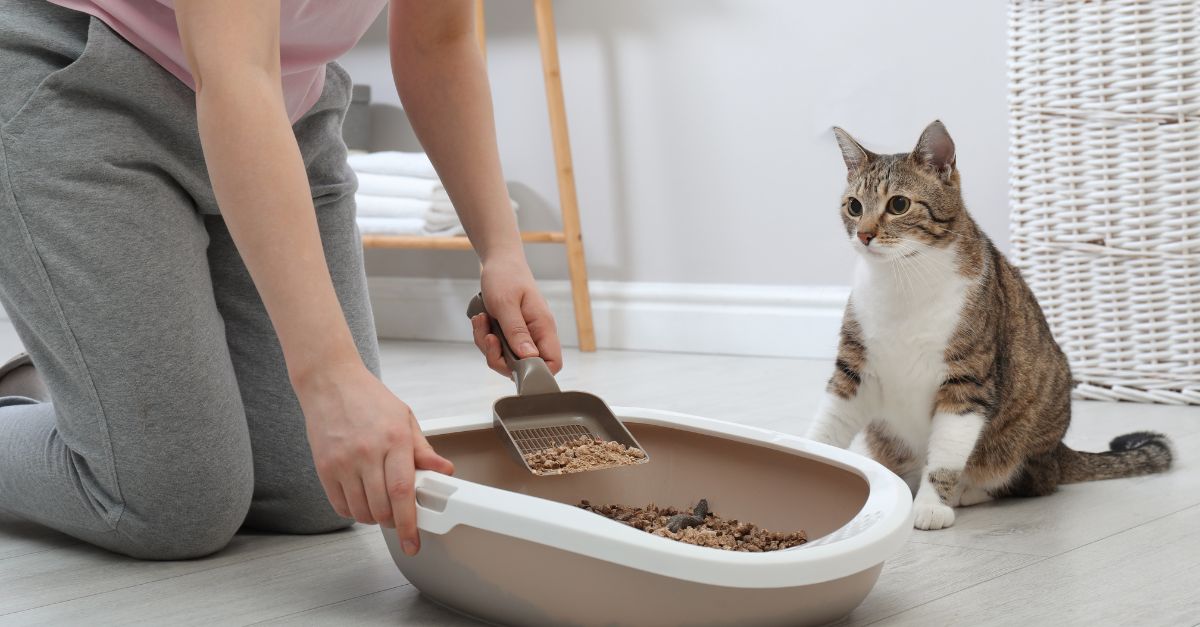
2. Set Up the Litter Box
- What it is: Setting up and cleaning the litter box the correct way.
- Why it's important: A clean litter box means no stinky messes in your house and a happy cat!
- Get a litter box that’s big enough for your cat to turn around in.
- Put it in a quiet place, not near their food and water.
- Scoop out the poop and pee clumps at least once a day (twice is even better!).
- Once a week or two, dump out all the old litter, wash the box with soap and water and put in fresh litter.
- Try out different types of kitty litter, your cat may prefer one over the other.
Expert Tip: If the cat isn’t using the litter box, it means they are not feeling well. Talk to your vet!
3. Provide Climbing Areas for Your Cat
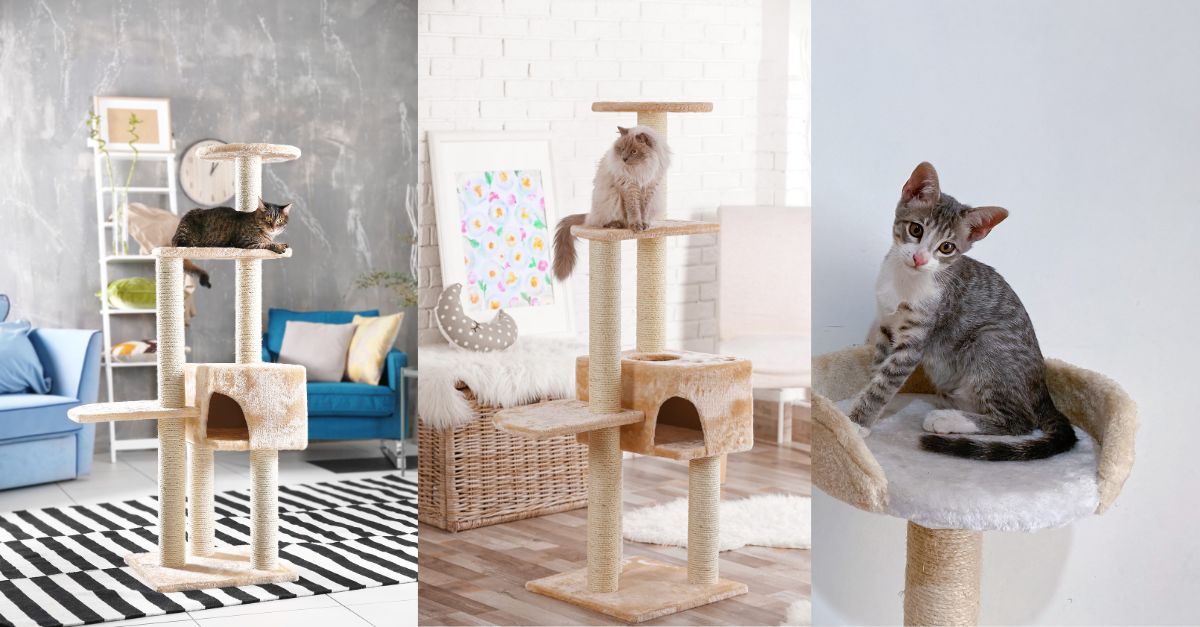
- What it is: Giving your cat places to climb and look down.
- Why it's important: Cats are like little mountain goats – they love to be up high! It makes them feel safe and lets them exercise.
- Get a cat tree or put up some shelves for your cat to climb on.
- Make sure the cat tree is sturdy and won’t tip over.
- Put the cat tree near a window so your cat can watch the birds and squirrels!
- If you have many cats, you need multiple cat trees.
Expert Tip: You can make your own cat shelves with some wood and brackets!
4. Get Cat Scratching Posts
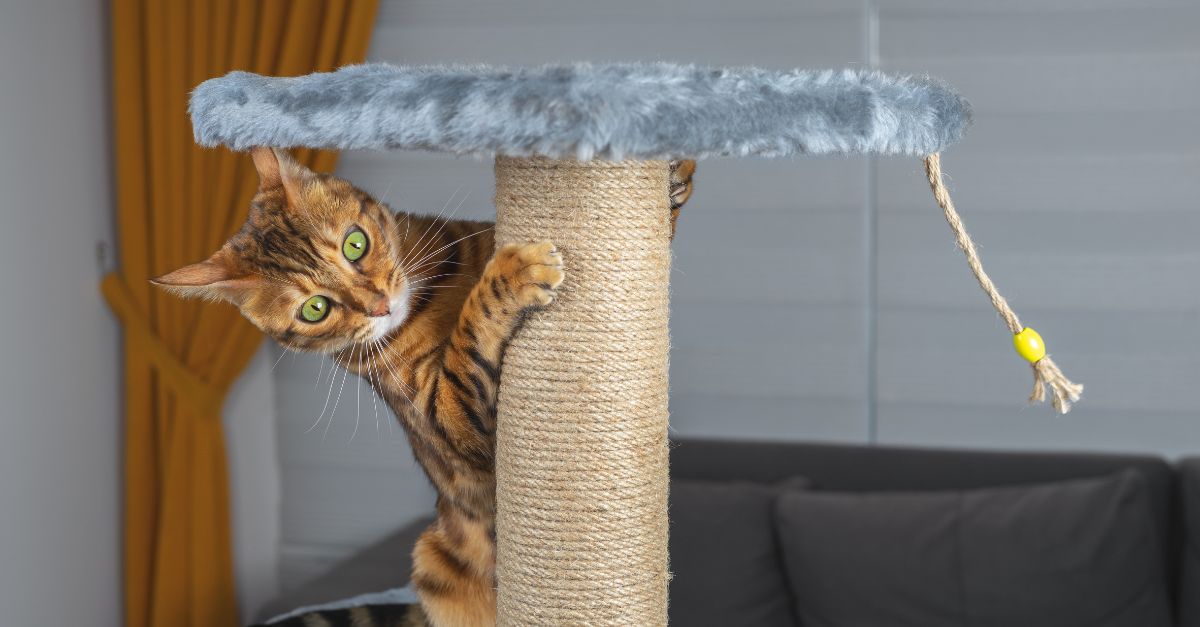
- What it is: Give your cat something they can scratch.
- Why it's important: Scratching is how cats keep their claws healthy and it stops them from scratching your couch!
- Get different kinds of scratching posts (some stand up, some lie flat, some are made of cardboard, some of rope).
- Put the scratching posts near where your cat wants to scratch, like the corners of your sofa.
- Put some catnip on the scratching posts to make them extra enticing!
- If you see your cat scratching the furniture, gently move them to the scratching post.
Expert Tip: Cats like to stretch and scratch after they wake up so put a scratching post near their favorite sleeping spot.
5. Schedule Daily Playtime
- What it is: Play with your cat using toys.
- Why it’s important: It’s fun for your cat (and you!), it’s good for them and it makes you best friends.
- Play with your cat for at least 10-15 minutes a day.
- Use toys like feather wands, toy mice or even a laser pointer (but don’t shine it in their eyes!).
- Move the toys like a little animal – wiggle them, make them jump and hide them.
- Let your cat “catch” the toy at the end of the game.
Expert Tip: Don’t use your hands or feet as toys! It might seem cute when they’re kittens but it can teach them to bite and scratch.

6. Introduce Pets Slowly
- What it is: If you have other pets, introduce them to your new cat very slowly.
- Why it’s important: So they get used to each other without being scared or fighting.
- Keep your new cat in a separate room at first.
- Let your other pets sniff under the door.
- Rub a towel on your new cat, then let your other pets smell the towel. Do the same with your other pets.
- After a few days let them see each other for just a few minutes but keep them separated (maybe with a baby gate).
- Slowly let them spend more time together but always watch them!
Expert Tip: If one of them looks really spooked or cranky, separate them again and try again later.
7. Feed Your Cat Well
- What it is: Food for your cat.
- Why it's important: Good food makes your cat strong, healthy and shiny.
- Choose food for your cat’s age (kitten, adult or senior).
- Look for food with meat (chicken or fish) first ingredient.
- Always have fresh, clean water for your cat.
- Don’t give your cat people food! Some food like chocolate and onions are poisonous to cats.
Expert Tip: Ask your vet what food they recommend for your cat.

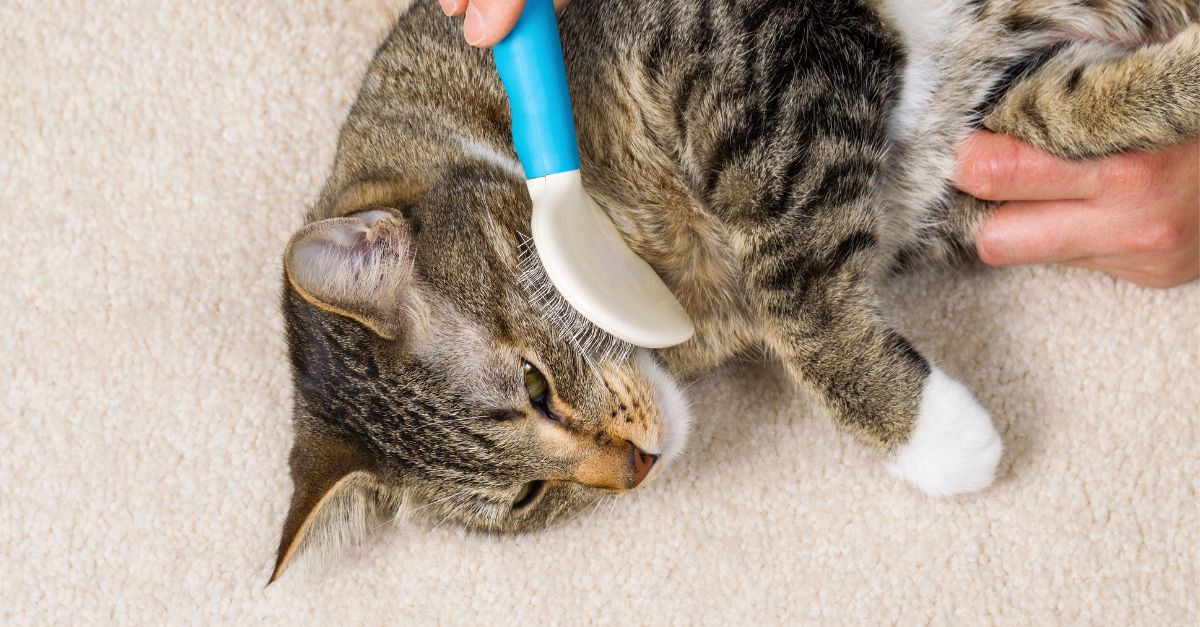
8. Basic Cat Grooming
- What it is: Brushing your cat.
- Why it's important: To prevent matting, reduce hairballs and it’s nice to pet them.
- Brush your cat gently with a soft brush. Most cats like to be brushed but some may need to get used to it.
- Start with just a few minutes a day.
- If your cat has long hair you may need to brush them more often.
- Trim cat’s nails.
- If needed take cat to a professional groomer.
Expert Tip: If your cat hates being brushed try a grooming glove. It feels more like petting!
9. Schedule a First Vet Visit
- What it is: Taking your cat to the vet (the animal doctor).
- Why it's important: The vet will check your cat’s health, give them shots and answer any questions you have.
- Make an appointment for your cat to see the vet within the first week of bringing them home.
- The vet will check your cat’s heart, lungs, eyes, ears and teeth.
- They’ll give your cat shots to protect them from getting sick.
- Ask the vet any questions you have about taking care of your cat.
Expert Tip: If you got your cat from a shelter they may have already had some of their shots. Bring any paperwork from the shelter with you to the vet.

10. Learn Your Cat's Language
- What it is: Watching your cat to see what they like and don’t like.
- Why it’s important: Every cat is different, just like people! Learning about your cat’s personality helps you take the best care of them.
- Watch how your cat moves their tail and ears. Different positions mean different things (happy, scared, angry).
- See what toys your cat likes best.
- Notice where your cat likes to sleep and hide.
- Be patient! It takes time to get to know your new friend.
- Don’t force your cat to do anything they don’t want to do.
Expert Tip: When a cat slowly blinks at you, it’s like they’re giving you a kitty kiss! It means they trust you. Try slowly blinking back!

Pros and Cons of Owning a Cat
| Pros | Cons |
|---|---|
| Companionship and affection | Litter box maintenance |
| Relatively low-maintenance compared to some pets | Potential for scratching furniture |
| Independent and self-sufficient | Vet bills and healthcare costs |
| Playful and entertaining | Shedding |
| Stress Relief | Allergies |
Becoming a new cat owner is so much fun! Remember to be patient and give your new kitty lots of love. By following these tips, you’ll be giving your new best friend the best possible start in their new home. And remember, if you ever have any questions, don’t hesitate to ask your vet! They’re the best resource for keeping your cat healthy and happy for many years to come.